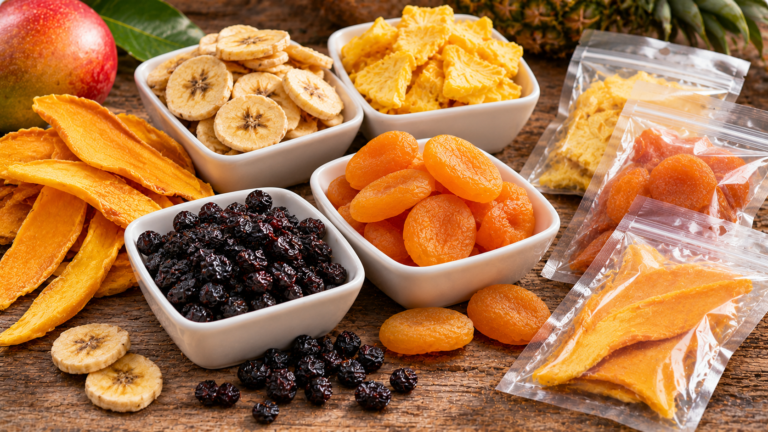
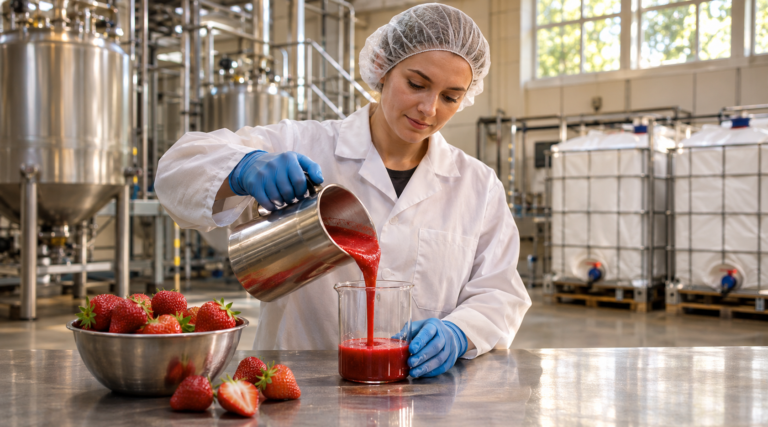
No artificial flavors or preservatives. Just pure, real ingredients.
Sourced globally, verified in person, and tested to meet the highest standards.
We hold inventory and ship on schedule — so your production never misses a beat.
Premium ingredients, sustainably sourced and delivered on time.
Practical insights on dried fruits, dehydrated vegetables, purees, concentrates, crop intelligence, and bulk ingredient sourcing.
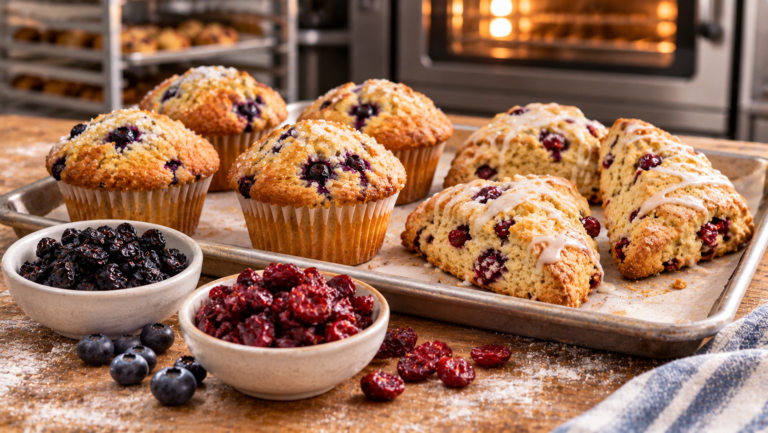
The best dried fruit for baking is fruit that holds its shape, keeps its color, and stays moist through the
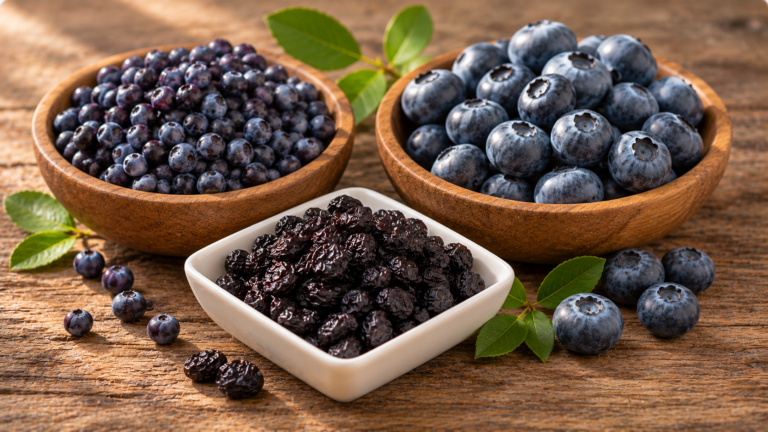
The main differences in wild vs cultivated blueberries come down to size, flavor intensity, and how they’re grown. Wild blueberries
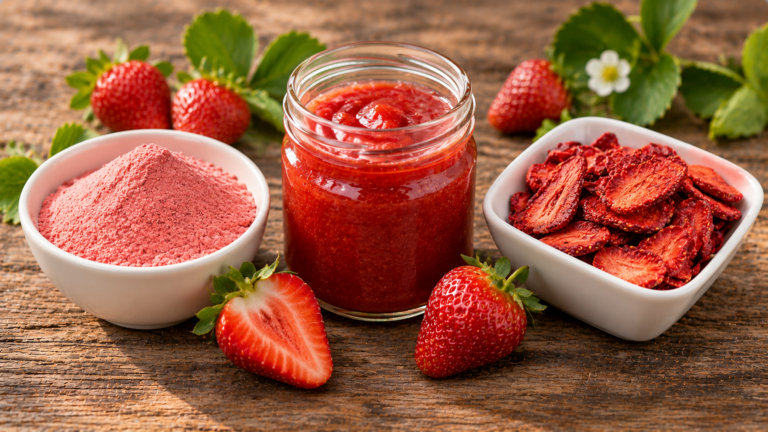
Choosing between fruit powder, puree, and dried pieces comes down to three questions: how much moisture your product can take,
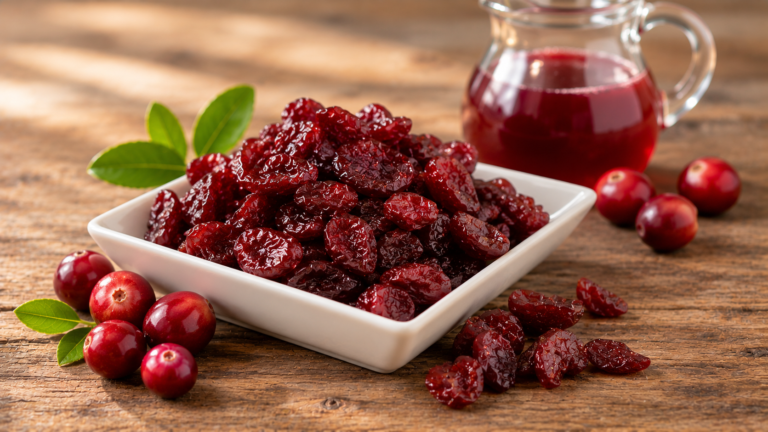
Sweetened dried cranberries are made by soaking fresh or frozen cranberries in a sugar or juice syrup, a step called
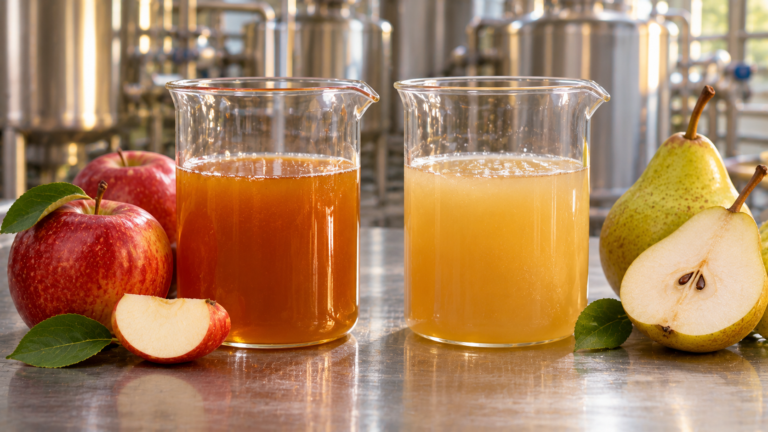
Fruit juice concentrate is fruit juice that has had most of its water removed, leaving a thick, sweet syrup that’s
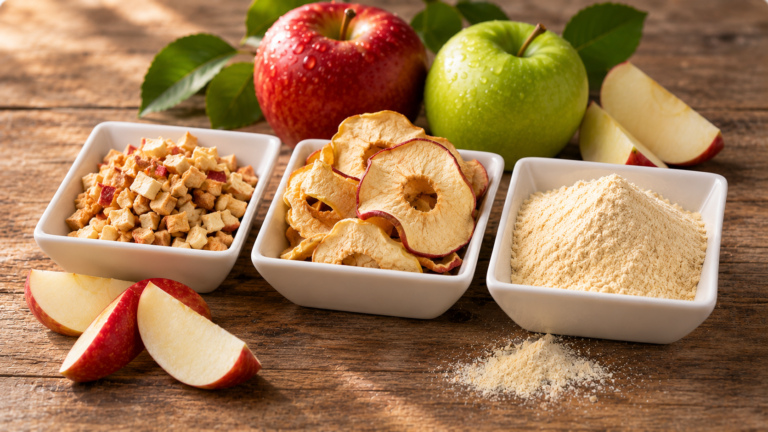
The main types of dried apple ingredients are evaporated apples, low-moisture apples, and apple powder, and the biggest difference between
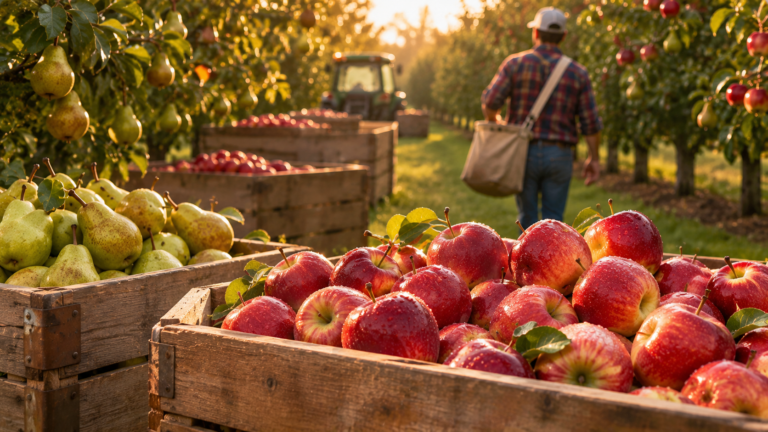
When are apples harvested? In North America, the main apple harvest runs from late August through October, with some late
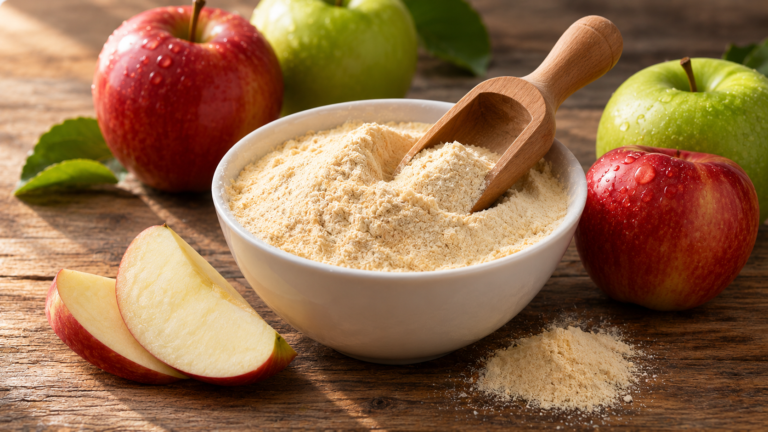
Apple powder is used in food manufacturing to add real apple flavor, natural sweetness, and fiber to products without adding
Growth in dried fruit snacks is being driven by shoppers who want snacks with short, recognizable ingredient lists, real fruit,
Aseptic fruit purees are fruit purees that have been heat-treated, cooled, and sealed into sterile packaging, so they stay shelf-stable