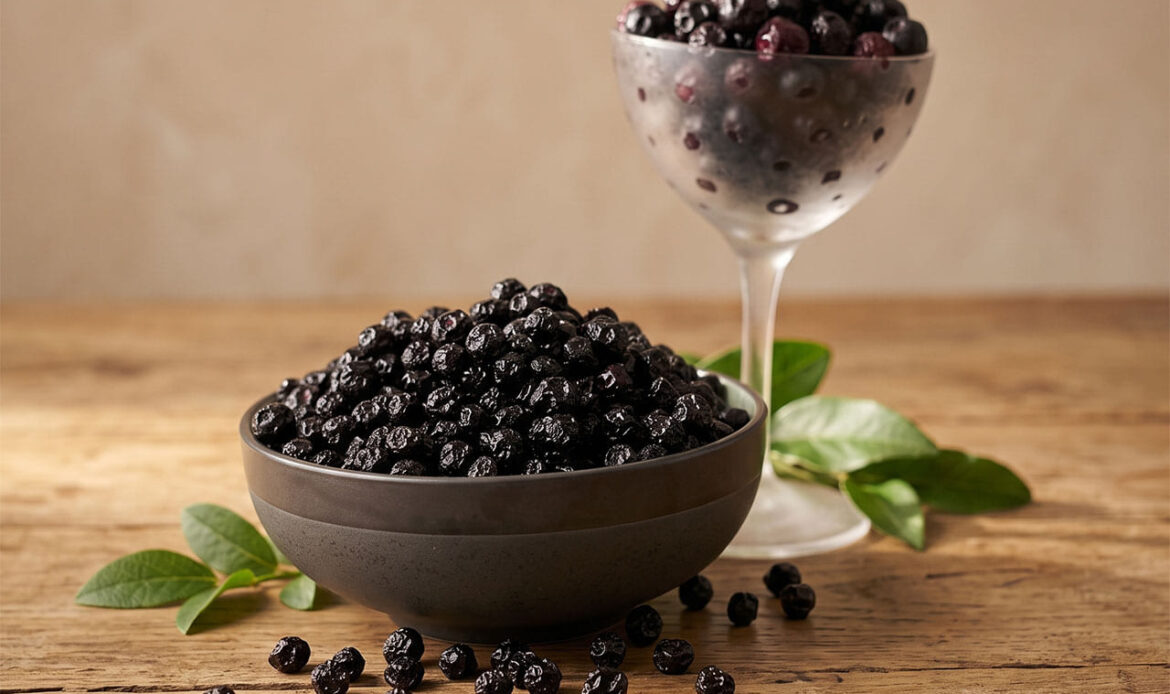
Wild blueberries are a different ingredient from cultivated, not a premium version of the same one. The berries are markedly smaller, which means more skin relative to flesh, which means more color, more flavor intensity, and more of the compounds that the antioxidant story rests on. In a finished product, the difference is obvious — a smaller piece distributes more evenly through a matrix and tastes more like blueberry per gram.
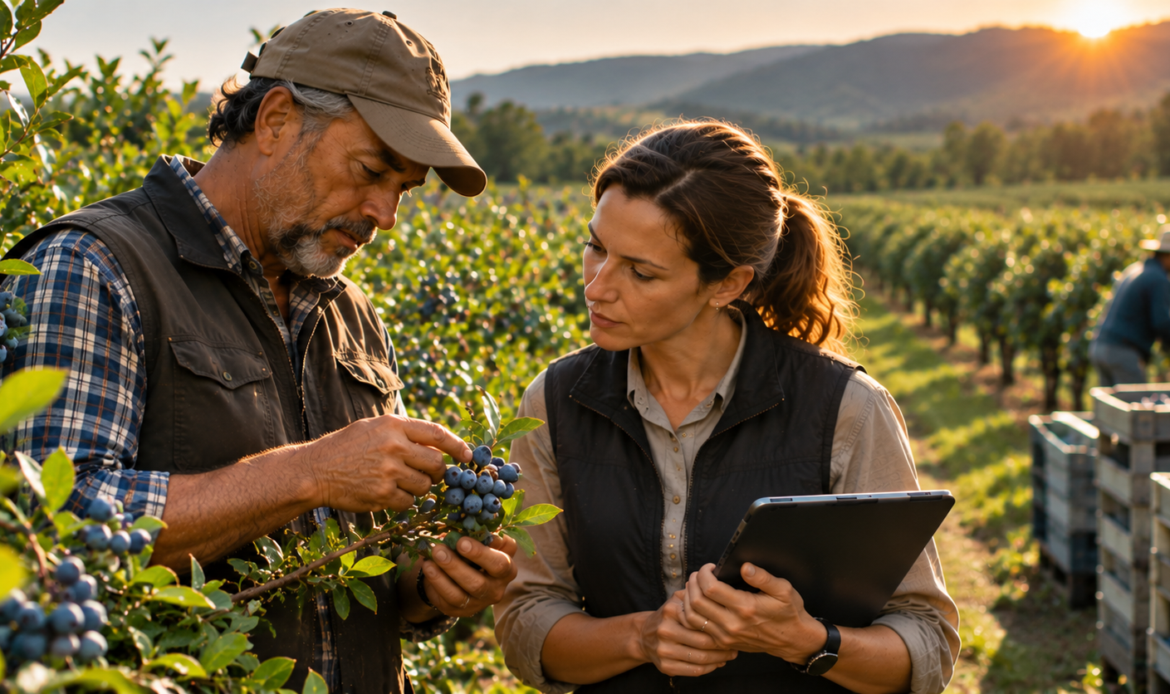
The trade-offs are real and worth stating plainly. Wild costs more. Sizing is less uniform, which can matter in equipment with tight tolerances. And supply is genuinely tighter, which is precisely why multi-source relationships matter in this fruit more than in most.
Where it earns its place is on premium positioning. “Wild blueberry” is a front-of-pack claim that consumers recognize and pay for, and it is one of the few ingredient upgrades that shows up in the eating experience as clearly as it does on the label.