

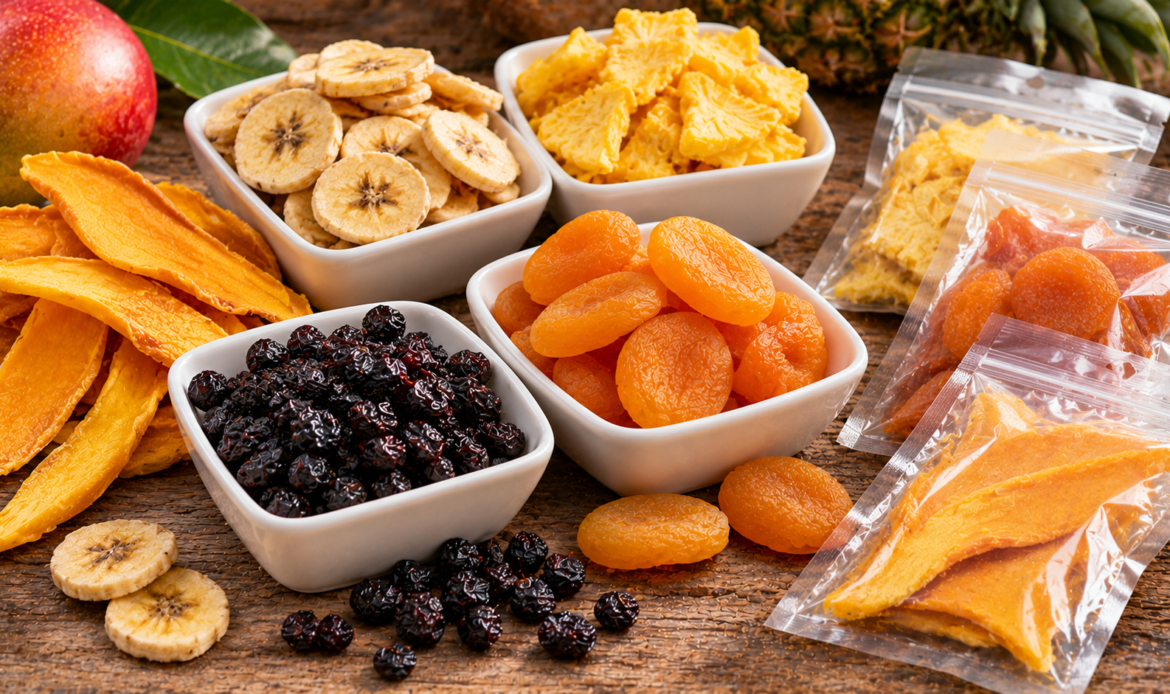
Growth in dried fruit snacks is being driven by shoppers who want snacks with short, recognizable ingredient lists, real fruit, and less added sugar, in formats they can eat on the go. Dried mango, apple chips, fruit-and-nut mixes, fruit bites, and fruit-forward bars all fit that demand. For manufacturers, the opportunity is less about selling plain dried fruit and more about using dried fruit as the hero ingredient in snacks that feel simple and wholesome. Getting it right depends on choosing the right fruit formats, managing sugar and moisture, and keeping supply steady as products scale.
What do shoppers want from fruit-based snacks?
Shoppers want fruit snacks that feel close to the whole fruit. That usually means a short ingredient list, real fruit as the first ingredient, little or no added sugar, and no artificial colors or flavors. Many are also looking for snacks they can feel good about giving to kids or eating at work in place of candy or chips.
Convenience matters just as much. Single-serve pouches, resealable bags, and bars that travel well all suit the way people snack today. Shoppers also want variety, so brands rotate flavors, add seasonal fruits, and combine fruit with nuts, seeds, yogurt coatings, chocolate, or vegetables.
Which trends are shaping the category?
Several trends are pushing fruit snacks forward at the same time. The biggest include:
- Clean label: brands are cutting synthetic colors, preservatives, and long ingredient lists
- Lower added sugar: unsweetened and no-sugar-added fruit claims are a major selling point
- Fruit plus vegetables: products that pair fruit with spinach, sweet potato, or pumpkin give shoppers a vegetable serving in a sweet format
- Texture variety: crunchy chips, chewy bites, and crisp freeze-dried pieces sit side by side on the shelf
- Global and tropical flavors: mango, pineapple, and passion fruit continue to grow alongside classic apple and berry
Each trend affects ingredient choices. A no-added-sugar claim, for example, rules out infused fruit and pushes brands toward naturally sweet fruits like mango, banana, apricot, and apple.
What formats are popular in the snack aisle?
The most common formats are plain dried fruit pieces, fruit chips, fruit bites or clusters, fruit leathers and strips, fruit-and-nut mixes, and fruit-forward bars. Each one uses dried fruit differently.
Plain dried mango, apricot, and pineapple rely on the quality of the fruit itself, so color, texture, and cut consistency are critical. Chips and crisps need low-moisture fruit that stays crunchy in the bag. Bites, clusters, and bars combine dried fruit with binders, nuts, and grains, so the fruit’s moisture has to match the rest of the product. Fruit leathers start from purees and concentrates rather than dried pieces. Our Snacks page covers how these formats use different fruit ingredients.
How do manufacturers manage sugar in dried fruit snacks?
Manufacturers manage sugar mainly through fruit selection. Naturally sweet fruits like mango, banana, apple, pear, apricot, and sweet cherries can be dried without added sugar and still taste sweet. Tart fruits like cranberries and tart cherries usually need infusion, which adds sugar.
When a product needs tart fruit, brands often blend it with naturally sweet fruit to balance the label, use smaller cuts so a little tart fruit goes further, or choose reduced-sugar or juice-infused versions. Juice concentrate used as a sweetener generally still counts as added sugar on a nutrition label, so check claims with your regulatory team before printing packaging.
Why does moisture matter so much in snacks?
Moisture matters because it controls texture and shelf life, and in mixed snacks it moves between ingredients over time. A soft, moist apricot in a bag with crunchy nuts will slowly give up water to the nuts, which turn soft while the apricot gets harder.
The fix is to match ingredients by water activity as well as moisture percentage. When the fruit and the other components have similar water activity, they stay stable together through the shelf life. Ask suppliers for water activity on every fruit you’re considering, and test finished products over several weeks, not just on the day they’re made.
How do vegetables fit into fruit snacks?
Vegetables are showing up in more fruit snacks because they let brands offer a vegetable serving in a format kids and adults already like. Common pairings include apple with spinach, mango with carrot, and berries with sweet potato or pumpkin. The fruit carries the sweetness and flavor, while the vegetable adds color, nutrition, and a stronger label story.
Vegetables are usually added as powders or purees in fruit bites, bars, and leathers, and as small dried pieces in mixes. Their flavors can be strong when concentrated, so most formulas start with small amounts and lean on naturally sweet fruits to balance them. Our Dried Vegetables page lists the vegetables we supply for this kind of product.
How important is packaging for fruit snacks?
Packaging matters a lot because it protects the fruit’s texture and color through the shelf life. Crunchy fruit chips need a strong moisture barrier so they don’t go soft. Chewy fruit needs protection from drying out. Light-sensitive fruits and vegetables hold their color better in opaque or tinted packaging.
Many brands use resealable pouches with a moisture and oxygen barrier for multi-serving packs, and sealed single-serve packs for lunchboxes and travel. Testing the finished product in its final package over the full shelf life is the only reliable way to know the texture will hold.
Which dried fruits work best in snacks?
The best fruits for snacks depend on the format, but a handful show up again and again. Dried mango and pineapple are popular on their own and in tropical mixes. Banana works well as chips and in clusters. Apple is used as chips, dices, and powder. Blueberries, cranberries, and cherries add color and tang to mixes, bites, and bars. Apricots and pears add a softer, chewier texture.
Unique Ingredients supplies dried mango, pineapple, banana, apricot, pear, blueberries, and cherries, along with infused fruits and dried apples. You can see the full line on our Dried Fruits page.
What should snack brands check on a fruit spec sheet?
Start with moisture, water activity, and sugar content, since those decide texture, shelf life, and label claims. After that, look closely at the things shoppers see. Plain fruit snacks are judged on color, cut consistency, and defects, so a spec sheet should spell those out. It should also include:
- Ingredients, including any infusion syrup, oil coating, or processing aids
- Cut style and size range
- Color standards and defect limits
- Microbiological limits
- Shelf life and storage conditions
- Allergen statement and food safety certification
If you plan a “no added sugar” or “unsweetened” claim, confirm in writing that the fruit has no added sweeteners, and keep that documentation on file.
How can snack brands keep supply steady as they grow?
Snack brands keep supply steady by planning around harvests, qualifying more than one source for key fruits, and working with suppliers who hold inventory near their plants. Fast-growing snack lines can outrun a supplier’s allocation, especially in a short crop year.
Tropical fruits like mango and pineapple have different harvest calendars than apples or berries, and freight from growing regions can be slow and unpredictable. A supplier with relationships across many processors and stock in regional warehouses can absorb some of that risk for you. Unique Ingredients holds inventory near major manufacturing markets, so most orders arrive in one to two days, and our quality team visits every source facility in person before we buy.
If you’re developing a fruit snack or expanding a line, talk to our team about samples and specs.
Frequently asked questions
Are dried fruit snacks healthy?
Dried fruit keeps much of the fiber and many of the nutrients of fresh fruit, but it’s more concentrated in sugar and calories by weight because the water is removed. Portion size and added sugar make the biggest difference in how a snack fits into a diet.
What’s the difference between dried and freeze-dried fruit snacks?
Dried fruit is usually dried with warm air and stays dense and chewy. Freeze-dried fruit is dried under vacuum after freezing, which makes it light and crunchy. Freeze-dried fruit is typically more expensive and more fragile in packaging.
Can dried fruit be labeled “no sugar added”?
It can if no sugar or sweetening ingredient was added during processing, and the claim meets labeling requirements. Infused fruits usually can’t carry the claim. Confirm details with your regulatory team.
How long do fruit snacks last on the shelf?
Many dried fruit products keep for about a year when packaged well, but mixed snacks can be shorter because ingredients interact. Test finished products over their intended shelf life.
Can I get samples of several fruits at once?
Yes. Contact our team with your product concept, and we’ll suggest fruits and formats to test.