

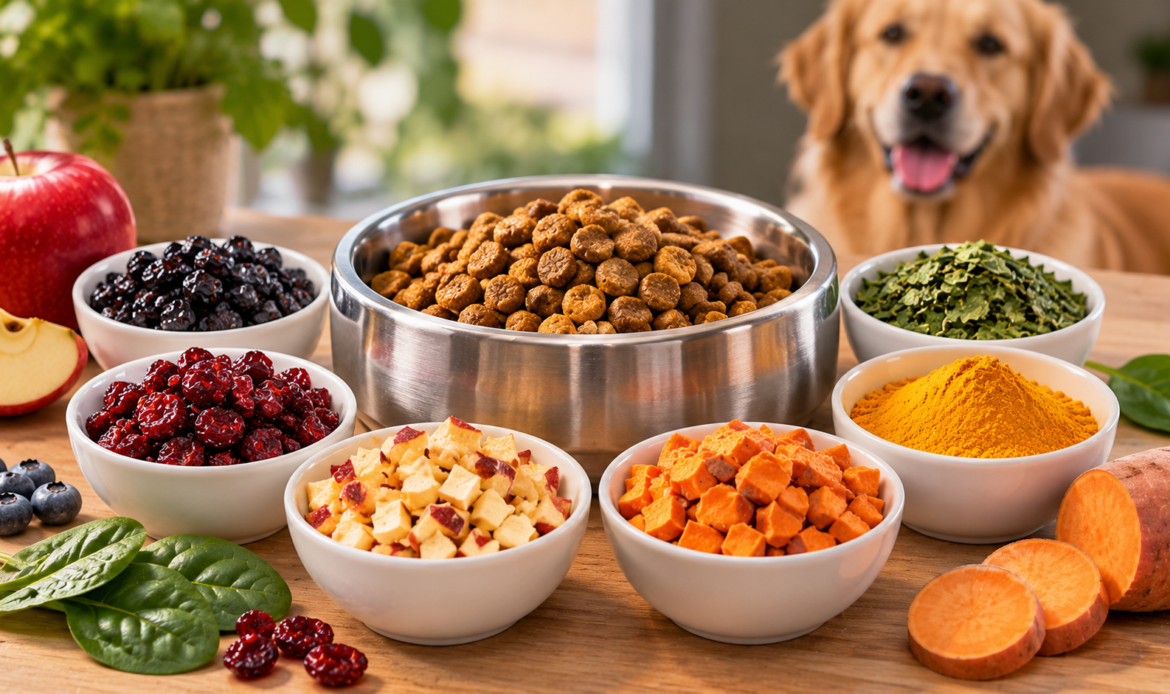
Brands are using more fruits and vegetables in pet food because owners increasingly shop for their pets the way they shop for themselves. They want ingredient lists with recognizable foods, and premium brands are responding with formulas that include blueberries, cranberries, apples, sweet potato, pumpkin, and spinach. Using these ingredients supports that “real food” story on the package, adds natural color and fiber, and helps brands stand out in a crowded aisle. For manufacturers, the work is choosing the right formats, writing clear specs, and lining up supply that can grow with a fast-moving category.
What is driving the shift toward fruits and vegetables in pet food?
The biggest driver is the humanization of pets. Many owners see their dogs and cats as family members, and they want to feed them food that looks and sounds like what they’d eat themselves. A bag that lists sweet potato and blueberries near the top of the ingredients tells that shopper the brand cares about quality.
Other forces are pushing the same way. Shoppers have become more comfortable reading ingredient lists, fresh and gently cooked pet foods have raised expectations across the category, and treats and toppers give brands a fast way to try new ingredients. Premium positioning also supports better margins, which makes higher-value ingredients easier to justify.
Which fruits and vegetables are most common in pet food?
The most common fruits and vegetables in pet food are the ones owners already know and trust. These include:
- Sweet potato, for carbohydrates, fiber, and orange color
- Pumpkin, often used for fiber and digestive support messaging
- Blueberries, a recognizable “superfood” for front-of-pack callouts
- Cranberries, popular in formulas with urinary health messaging
- Apples, a familiar fruit that adds mild sweetness and fiber
- Spinach and other greens, for color and a vegetable callout
Carrots, peas, and green beans are also widely used, especially in dog food. Brands often combine several of these so the ingredient list reads like a well-stocked kitchen.
Which fruits should pet food brands avoid?
Some fruits are unsafe for pets and should never be used. Grapes and raisins are toxic to dogs and can cause kidney failure, even in small amounts. Fruit pits and seeds, such as cherry pits and apple seeds, can also be harmful. Avocado is generally avoided too.
Work with your nutrition and regulatory teams on every new fruit or vegetable, and confirm with your supplier that ingredients such as dried cherries are fully pitted. Products that mix several fruits need extra care to avoid cross-contact with unsafe ones. A good supplier will be open about what’s processed in the same facility.
What formats work best in pet food?
The best format depends on the product and how it’s made. In extruded kibble, fruits and vegetables are usually added as powders or small pieces before extrusion, where they blend into the dough. In baked treats, powders, purees, and small dried pieces all work. In soft chews and toppers, purees and small dices are common.
Visible pieces are becoming more popular because owners like to see real food in the bowl. Some kibble products include dried fruit or vegetable pieces mixed in after extrusion, and freeze-dried toppers make the ingredients easy to spot. If visible pieces matter to your brand, choose cut sizes that suit the animal’s size and the product’s texture.
Our Pet Food page covers how these formats work in different pet products.
How are treats and toppers using these ingredients?
Treats and toppers are often where brands try fruits and vegetables first. They’re made in smaller batches, they change more often, and shoppers expect variety, so they’re a good place to test new ingredients before adding them to a main diet.
Baked biscuits often use apple, pumpkin, or sweet potato powders for flavor and color, sometimes with small dried pieces for visible fruit. Soft chews and jerky-style treats can use purees and small dices. Freeze-dried and air-dried toppers put the fruits and vegetables right on top of the bowl, where owners can see them. Seasonal treats, like pumpkin in the fall or cranberry around the holidays, also rely heavily on fruits and vegetables for their appeal.
Should you choose dried, powdered, or pureed ingredients?
The right format depends on the product’s moisture and how visible you want the ingredient to be. Powders suit kibble and baked treats, since they blend into the dough and add color and flavor without water. Purees suit wet foods, soft chews, and fresh or gently cooked products, where moisture is already part of the formula. Dried pieces suit products where owners should see the ingredient, such as mixed toppers or visible-inclusion kibble.
Many brands use more than one format. A kibble might include pumpkin powder in the dough and dried blueberry pieces mixed in after extrusion. Testing a few formats side by side is the fastest way to find the right combination.
How do fruits and vegetables affect a pet food formula?
At typical inclusion levels, fruits and vegetables affect a formula mostly through fiber, natural sugars, color, and moisture. Their nutritional contribution depends on the amount used, and most formulas use them at modest levels. Their effect on the label and marketing is often bigger than their effect on the nutrition panel.
Processing matters too. High heat during extrusion and baking can change color and reduce some heat-sensitive nutrients. Moisture in purees has to be managed in dry products, and dried pieces need to match the moisture of the rest of the product so texture holds over shelf life. Palatability is another factor. Most dogs accept small amounts of fruit and vegetable well, but cats are more selective, so testing with real animals is important.
What should pet food manufacturers know about labeling?
Pet food labeling has its own rules, and ingredient names, claims, and marketing language need to follow them. Ingredient names on pet food labels generally need to match established definitions, so check how each fruit or vegetable should be listed.
Claims deserve extra care. Terms like “human-grade” have specific requirements that go well beyond using ingredients that are also sold for human food. Health-related messaging, such as urinary or digestive support, also needs to stay within what’s allowed for pet food. Your regulatory team or a pet food consultant can help confirm wording before packaging is printed.
What specs should you ask for?
Ask for moisture, particle or cut size, color, and microbiological limits first, since those decide how the ingredient performs and whether it fits your food safety program. A complete spec sheet should also cover:
- Water activity
- Ingredients, including any infusion syrup or oil coating on fruit pieces
- Defect limits, including pits and stems where relevant
- Shelf life and storage conditions
- Allergen statement and food safety certification
- Certificate of analysis for each lot
For infused fruits like cranberries, confirm the infusion medium and sugar level, since some pet brands prefer to limit added sugar. For vegetables, pay close attention to micro specs, since vegetables grow close to the soil.
How do you keep supply steady as a pet brand grows?
Pet food brands that grow quickly can outrun their ingredient supply, especially for crops with one harvest a year. Volumes that were easy to source at launch can become hard to secure a year or two later.
Working with a supplier that sources from several processors and growing regions helps, as does sharing forecasts early so the supplier can plan allocation with you. Regional inventory also matters. When product is stocked near your plant, you can order smaller quantities more often and avoid carrying months of safety stock.
Unique Ingredients supplies the same fruit and vegetable ingredients used by food manufacturers, in formats suited to pet applications. Our range includes blueberries, cranberries, dried apples, sweet potato, pumpkin, and spinach. Inventory is held in regional warehouses, so most orders arrive in one to two days, and our quality team is on site at every source facility before we buy.
If you’re new to fruit and vegetable ingredients, our team can recommend formats and specs based on what’s working across the category. Talk to our team to get started.
Frequently asked questions
Are fruits and vegetables good for dogs?
Many fruits and vegetables can be part of a balanced dog food, and some, like sweet potato and pumpkin, are widely used. Others, such as grapes and raisins, are toxic. Work with a pet nutritionist on any formula.
Can cats eat fruits and vegetables in their food?
Cats are carnivores and need a meat-based diet, but small amounts of some fruits and vegetables appear in cat foods and treats. Cats can be picky, so palatability testing is especially important.
What’s the most popular vegetable in dog food?
Sweet potato is one of the most common, along with peas, carrots, and pumpkin. It adds carbohydrates, fiber, and a familiar ingredient name.
Do fruits and vegetables hold up in kibble extrusion?
Powders and small pieces generally hold up well, though high heat can change color and some heat-sensitive nutrients. Visible pieces are often added after extrusion.
Can I get samples for a pet food formula?
Yes. Contact our team with your product type and target ingredients, and we’ll suggest formats to test.