

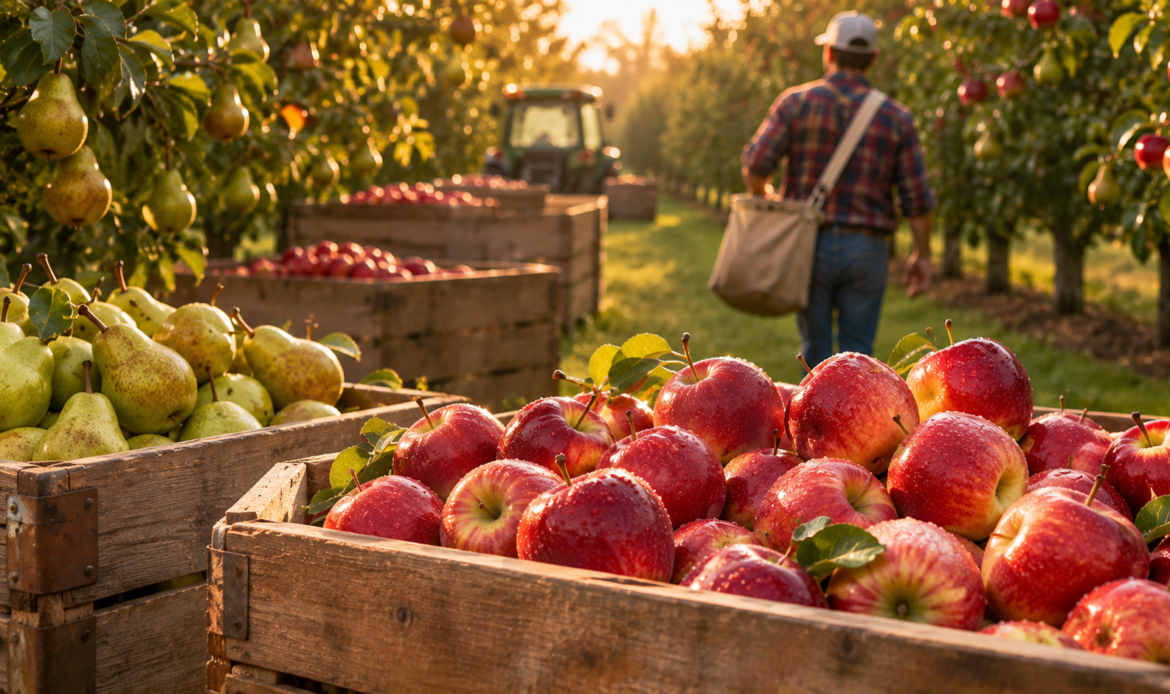
When are apples harvested? In North America, the main apple harvest runs from late August through October, with some late varieties picked into early November. Pears come in over a similar window, from August into October, and cranberries are harvested from about mid-September through early November. For ingredient buyers, these dates matter because they set the rhythm of the whole year. New-crop dried fruit, purees, and concentrates usually reach the market weeks to months after harvest, and pricing for the coming year often takes shape as the size and quality of each crop become clear.
Why should ingredient buyers care about harvest timing?
Harvest timing matters because it drives when new-crop product is available, when prices are set, and when supply is most at risk. A frost in spring or a heat wave in summer can shrink a crop months before it’s picked, and buyers who follow the season can see a tight year coming.
Most processed fruit ingredients are made in a burst during and right after harvest, then stored and sold through the rest of the year. If you buy apple ingredients in June, you’re usually buying product made from the previous fall’s crop. Knowing that helps you plan contracts, decide when to lock in pricing, and judge how much inventory to carry going into a new season.
When are apples harvested through the year?
The North American apple harvest starts with early varieties in August, peaks in September and October, and wraps up with late varieties into early November. Different varieties ripen at different times, so processors run for several months in the fall.
Apples store well. Fruit held in controlled-atmosphere storage, where oxygen and temperature are carefully managed, can be processed for months after harvest. That’s why apple ingredient production isn’t limited to the fall, though the size of the fall crop still sets supply and pricing for the year.
In the Southern Hemisphere, the apple harvest runs roughly from February through May. Global supply for dried apples, apple juice concentrate, and other apple ingredients draws on both seasons, which helps smooth availability across the year.
When are pears harvested?
Pears in North America are typically harvested from August into October, starting with summer varieties and moving into winter pears later in the season. Unlike most fruit, pears are picked mature but not fully ripe and finish ripening after harvest.
That makes timing important for processors. Pears for puree, dried pieces, and juice concentrate need to reach the right ripeness before processing, so production follows a careful schedule after harvest. Southern Hemisphere pears come in roughly February through April.
When are cranberries harvested?
Cranberries are harvested from about mid-September through early November in North America. Most cranberries for processing are wet-harvested: growers flood the beds, loosen the berries so they float, and corral them for collection. A smaller share is dry-harvested, mostly for the fresh market.
Wet-harvested berries go to processing quickly, where they’re frozen, juiced, or infused and dried. Because the harvest is short and once a year, the size of the fall crop affects infused cranberry supply and pricing for the next twelve months.
When are berries and cherries harvested?
Berries and cherries come in earlier than apples, pears, and cranberries, mostly in summer. Typical North American windows look like this:
- Strawberries: spring through summer, depending on the region, with some areas producing much of the year
- Cultivated blueberries: roughly May through September, as harvests move from warmer to cooler regions
- Wild blueberries: a short window in August
- Sweet cherries: roughly June through August
- Tart cherries: a short window in July
- Raspberries and blackberries: summer, with some fall-bearing raspberries into early fall
Tart cherries and wild blueberries have especially short windows, so a weather problem during bloom or harvest can have a big effect on that year’s supply. Buyers who rely on them often plan purchases before the harvest.
What about tropical fruits and vegetables?
Tropical fruits like mango, pineapple, and banana have different patterns. Bananas and pineapples are produced through most of the year. Mango has defined seasons that vary by growing region, so global supply moves between regions over the year. Freight time and port conditions often matter as much as the harvest for these fruits.
Vegetables vary too. Spinach can be harvested in multiple cuttings through cooler months. Bell peppers are mainly a summer and fall crop in North America. Pumpkins and sweet potatoes are harvested in the fall, typically September through November, and stored for processing afterward.
What happens between harvest and a finished ingredient?
Between harvest and a finished ingredient, fruit goes through sorting, storage, and processing, and each step takes time. Apples and pears may sit in controlled storage for weeks or months before they’re processed. Berries and cherries are usually frozen quickly after harvest and then processed into dried, infused, or puree products later in the year.
Once processed, ingredients are tested, packed, and shipped, often across long distances. Imported products may spend weeks in transit and at port. That’s why the first new-crop dried fruit or concentrate often reaches buyers well after the harvest itself, and why inventory from the previous crop is still being used early in a new season.
For buyers, the lesson is that harvest news reaches your plant on a delay. A short crop in October may not affect your deliveries until winter or spring, which gives you time to plan if you’re watching early.
How does harvest timing affect pricing?
Pricing for fruit ingredients often shifts as each crop’s size becomes clear. A large crop can soften prices, while a short crop raises them, sometimes sharply. Because most processed fruit is made once a year, a short crop affects pricing until the next harvest arrives.
Buyers watch several signals through the year: weather during bloom, crop estimates in summer, harvest progress in fall, and carryover inventory from the previous year. A supplier with close relationships across growers and processors can share these signals earlier than public reports. That’s the idea behind our Crop and Market Intelligence updates.
How should buyers plan purchases around the crop calendar?
Plan major purchases around the harvest calendar for each fruit you buy. A few practical steps help:
- Know which crop year your current inventory came from
- Watch crop estimates for your key fruits before harvest
- Lock in pricing or volumes early for fruits with short or volatile harvests, like tart cherries and wild blueberries
- Avoid relying on a single source or growing region for important fruits
- Keep some formula flexibility, such as being able to use either wild or cultivated blueberries
Working with a supplier who sources across regions and holds stock near your plant helps too. Unique Ingredients keeps inventory in regional warehouses, so most orders arrive in one to two days, and multi-origin sourcing helps keep product moving when one area has a short crop. See our Supply Continuity page for more.
If you’d like a read on the season for the fruits you buy, talk to our team.
Frequently asked questions
What month is apple harvest season?
In North America, apple harvest season is mainly September and October, starting in late August and running into early November for some varieties.
Can you buy dried apples year-round?
Yes. Apples store well, and dried apple ingredients are made and held in inventory through the year. Supply and pricing still depend on the size of the most recent crop.
When is the best time to lock in pricing for fruit ingredients?
It depends on the fruit. For crops with short harvests and volatile supply, many buyers plan before or during harvest. Talk with your supplier about crop conditions before making a decision.
Why are cranberries harvested in water?
Most cranberries for processing are wet-harvested because flooding the beds makes the berries easy to collect. The berries have air pockets inside, so they float to the surface once loosened from the vines.
Does a short harvest always mean higher prices?
Not always. Carryover inventory from the previous year, demand, and supply from other regions all play a part. A short crop usually tightens supply, though, so it’s worth planning ahead.